

Black rail (Laterallus jamaicensis) Case Study
Home > Biodiversity Nature & People > Conservation Philanthropy > Grants > GEF Grant 262542439
Continent: South America
Country: Chile
Grant Amount: $15,000
Franco Villalobos
Red de Observadores de Aves y Vida Silvestre de Chile
Arquitecto Gonzalo Mardones 1191-401
Providencia
Santiago
7500000
Chile
Tel: +56 944492287
Mob:
Advancing towards the protection of Copiapó Valley, a key site for the Black Rail (Laterallus jamaicensis salinasi) in the Atacama
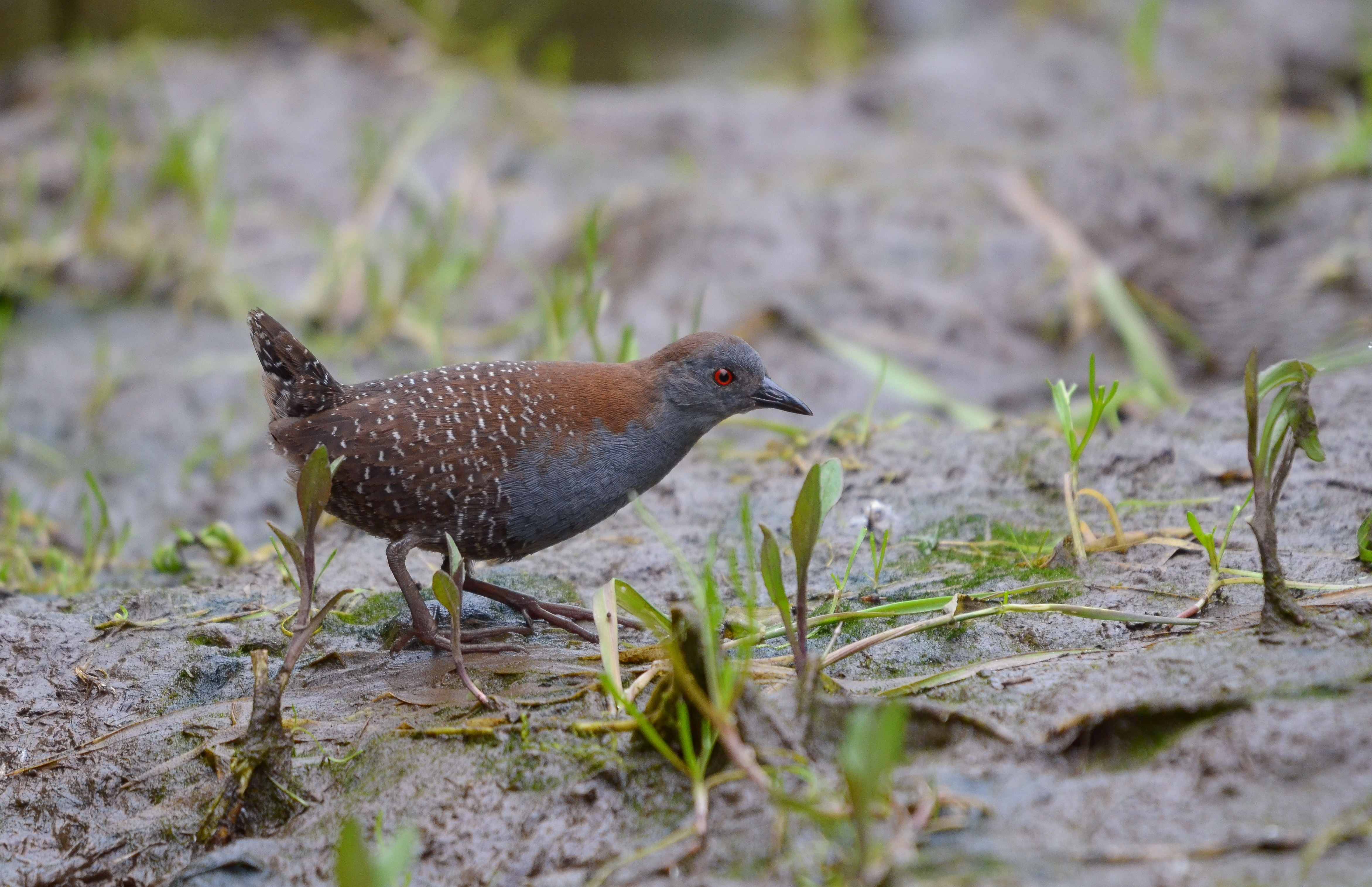
This project will continue previous initiatives and strengthen monitoring by incorporating unexplored sectors. This will improve population estimates and our understanding of the species’ activity patterns, habitat and threats. Additionally, the project will enable the continuity of work with local stakeholders and the preparation of a dossier for a formal protection request for one of the world’s most important known sites for this species.
The Copiapó River is located in the middle of the Atacama Desert, the driest desert in the world. In this extreme environment—and contrary to what one might expect—the river is one of the most important known habitats for a highly endangered waterbird species: the Black Rail (Laterallus jamaicensis).
Recent monitoring efforts conducted by our organization have estimated a population of 162 individuals in an area of approximately 150 hectares in the middle section of the river, equivalent to a density of 1.08 individuals per hectare—one of the highest densities recorded for the species to date.
However, the area monitored so far represents only a fraction of the potentially suitable habitat available along the Copiapó River valley. Therefore, the total population could be substantially larger, which would reinforce the river’s status as a site of key importance for the global conservation of the species.
In this context, this project will allow monitoring to be expanded to areas that have not been previously surveyed, through the establishment of new sampling stations in potential habitats and the installation of 10 autonomous acoustic recording devices, which will not only deepen our biological understanding of the species and its habitat within a river ecosystem surrounded by extremely arid conditions, but also generate scientific evidence to support a request for the area’s protection and to inform conservation efforts and collaboration with local stakeholders.
This grant is funded as part of our Fonseca Leadership Program which was established by the Global Environment Facility (GEF). This fund supports young conservationists from developing countries.
The text and images for this case study are uploaded by the grant recipient to raise awareness of the conservation work being done. Through its website the Fund provides the platform, but is not responsible for text or image content of case studies. We would like to sincerely thank the recipient for uploading a case study.
