

European eel (Anguilla anguilla) Case Study
Home > Biodiversity Nature & People > Conservation Philanthropy > Grants > MBZF Grant 12252178
Continent: Europe
Country: Hungary
Grant Amount: $8,000
Awarded Date: July 11, 2012
Developing a propagation technique for the European eel
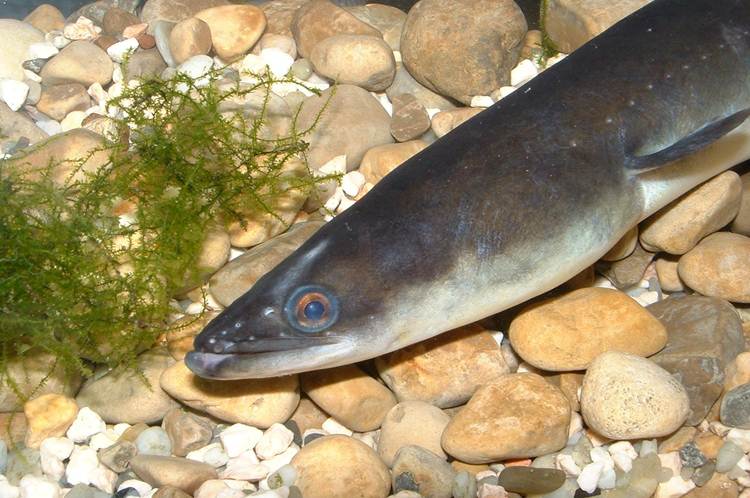
The aim of the project is to develop an artificial propagation technique of European eel. The specific objective is to produce and rear viable eel larvae by using traditional methods (adaptation of the Japanese propagation protocol for European eel) and new biotechnological methods (using cryopreservated sperm – sperm gene bank).
Several studies have been published on the reduction of European eel stocks. This is due to a lot of factors, as water pollution, overfishing of glass and adult eels Anguillicoloides crassus nematode infection etc. Some studies report that the current stock is one tenth of that in 1980, the juvenile (glass eel) number decreased with 99(!)%. Unless a very determined conservation project helps to save the eel short-term and long-term damaging factors will have a combined effect. The lack of induced spawning method makes the development of stocks even more difficult. All European eels originate form natural spawning. Eel farms only grow glass eels collected from natural sources and the species is listed by the International Union for Conservation of Nature (IUCN) as “critically endangered” fish species. In 2007 the World Wide Fund for Nature (WWF) listed within the “world's most endangered” animals from extinction.
The aim of the project is to develop an artificial propagation technique of European eel. The specific objective is to produce and rear viable eel larvae by using traditional methods (adaptation of the Japanese propagation protocol for European eel) and new biotechnological methods (using cryopreservated sperm – sperm gene bank).
The text and images for this case study are uploaded by the grant recipient to raise awareness of the conservation work being done. Through its website the Fund provides the platform, but is not responsible for text or image content of case studies. We would like to sincerely thank the recipient for uploading a case study.

MBZF Grant 12252178 - located in Hungary, Europe
Case Study Images


