

Petzea rudd (Scardinius racovitzai) Case Study
Home > Biodiversity Nature & People > Conservation Philanthropy > Grants > MBZF Grant 13255722
Continent: Europe
Country: Romania
Grant Amount: $13,000
Awarded Date: June 11, 2013
Captive breeding of the Petzea rudd and habitat recreation after their spring dried up
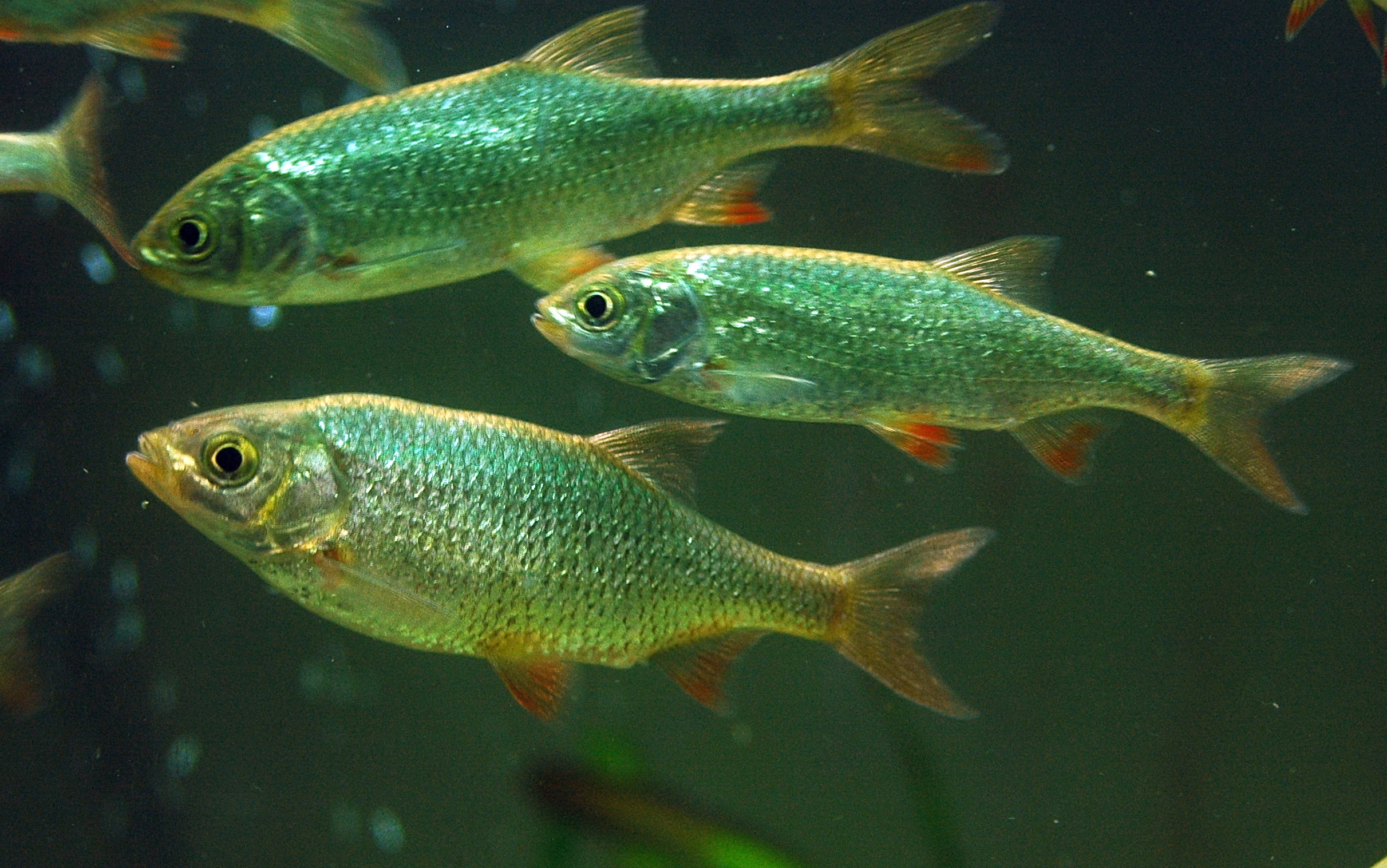
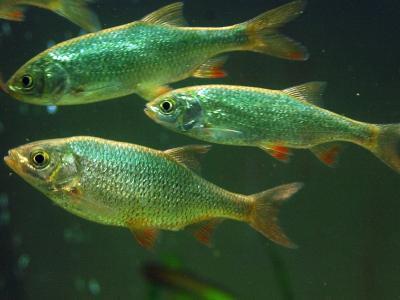
Because of recent degradation of their habitat in the thermal lake in 'Paraul Petea' reserve, northern-western Romania, experiments for ex situ rearing and reproduction in captivity of the endemic Scardinius racovitzai and Melanopsis parreyssii were set up, in order to obtain a reserve of individuals for reintroduction and a better knowledge of their biology.
'Tarii Crisurilor' Museum in Oradea, Romania, is a regional museum acting as scientific custodian of the "Paraul Petea" nature reserve (with a surface of 4 ha, located at 9 km southeast from Oradea, in Baile 1 Mai spa resort). The aim of this project, in partnership with 'Szent Istvan' University in Gödöllõ, Hungary, and the Aquarium Galati, Romania, is the ex situ conservation of the two endemic species from the reserve, the thermal rudd Scardinius racovitzai and the snail Melanopsis parreyssii. They are listed as Critically Endangered by the IUCN Red List of Threatened Species. Their only natural occurrence is in the small, single spring-fed lake within the "Paraul Petea" nature reserve, which since Dec. 2011 is severely affected by the cease of flow of its underwater spring during the cold season, probably because of excessive extraction of the thermal water in the area.
The main objectives of the project are the captive breeding of the two endemic species and the maintaining of a population reserve in captivity, available for reintroduction in case of ecological reconstruction of their natural habitat. Captive breeding and maintaining ex situ populations might save the two endemic species from extinction, since their habitat is today in a situation which possibly can no longer be inhabited by viable populations of these species. Also, by rearing a group of individuals of the target species in biotope aquaria, more information on their currently less kown biology will be obtained.
The text and images for this case study are uploaded by the grant recipient to raise awareness of the conservation work being done. Through its website the Fund provides the platform, but is not responsible for text or image content of case studies. We would like to sincerely thank the recipient for uploading a case study.
